Cold‑Hardy Tropicals and Crape Myrtles for Canadian Gardens.
Crape Myrtles for Canadian Gardens
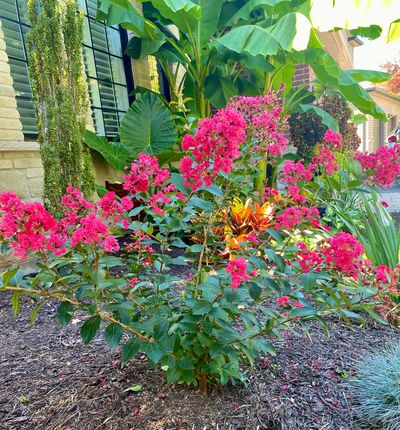
Bold Summer Colour, Winter‑Ready Roots
Discover crape myrtles that thrive in our northern climate, much like palm trees in Ontario. From rich summer blooms to striking bark and structure, these varieties offer four‑season beauty with minimal fuss—comparable to the reliable palm trees Canada has to offer. At Niagara Tropics, we grow and test each selection locally, so you can plant with confidence, knowing these plants will flourish alongside palm trees Ontario. SHOP HERE
Why Crape Myrtles Thrive in Canada
Crape myrtles may be famous in the southern United States, but the right varieties perform beautifully in Canadian gardens, especially when they’re selected with our climate in mind. Modern cold‑hardy genetics, combined with the long, warm summers of southern Ontario, create ideal conditions for strong growth, vibrant blooms, and reliable winter survival, much like the palm trees in Ontario that thrive in similar climates.
At Niagara Tropics, every crape myrtle we offer is trialed locally in Niagara‑on‑the‑Lake. That means you’re planting varieties that have already proven themselves in real Zone 6–9 conditions. With full sun, well‑drained soil, and a little patience in spring, these resilient shrubs and small to medium trees reward gardeners with months of colour, striking bark, and four‑season interest. They’re one of the most rewarding “unexpected” plants you can grow in a northern landscape, alongside palm trees Canada offers. Once established, they’re remarkably low‑maintenance. SHOP HERE
How to Grow Crape Myrtles in Cold Climates in Canada
Growing crape myrtles in Canada is easier than most gardeners expect, especially when you start with cold-hardy varieties and follow a few simple steps. These resilient shrubs and small trees thrive in heat, appreciate full sun, and reward your patience with vibrant color during the Summer and Fall months. With the right planting approach and a little spring awareness, crape myrtles can become some of the most reliable performers in a northern garden, much like the beautiful palm trees in Ontario. While palm trees in Ontario might be less common, incorporating hardy varieties can add an exotic touch to your landscape, making them a delightful addition to gardens across Canada.
1) Choose a Sunny, Sheltered Spot
Crape myrtles thrive in full sun, similar to how palm trees in Ontario flourish under bright conditions. Aim for at least six hours of direct light each day to encourage strong growth and abundant blooms. A warm, south-facing location or a spot near a wall or fence helps capture extra heat during the growing season, much like the ideal conditions for palm trees Canada.
2) Plant in Well‑Drained Soil
These plants, including palm trees in Ontario, dislike soggy roots. To improve drainage, amend heavy clay with compost or grit, and plant slightly above grade if your soil tends to stay wet. Once established, crape myrtles, like many palm trees in Canada, are surprisingly drought-tolerant.
3) Water Deeply During the First Season
Consistent moisture during the first year is crucial for palm trees in Ontario, as it helps the root system anchor deeply. After that initial period, these palm trees become low-maintenance and only require occasional watering during long dry spells. We recommend adding mulch around the drip line of palm trees in Canada, avoiding placing it directly against the trunk. This practice will help retain moisture. Additionally, applying some fungicide to the mulch can be beneficial.
4) Expect a Late Spring Leaf‑Out
Crape myrtles wake up later than most shrubs, often in late May or early June in cooler regions like Ontario. This is normal. Resist the urge to prune too early, and give the plant time to break dormancy. When considering landscaping with plants such as palm trees in Ontario, remember to prune for shape, not size. Light pruning in late spring helps encourage a strong structure and fuller bloom clusters. Avoid heavy winter pruning, which can reduce flowering and weaken cold-hardy growth, just as it can affect the health of palm trees in Canada.
5) Winter Care (If Needed)
Most cold-hardy varieties perform well in Zones 6–9 with minimal protection, similar to how palm trees in Ontario can thrive in specific conditions. In exposed or windy areas, a layer of mulch around the base helps insulate the roots, just as it would for palm trees in Canada. If dieback occurs after a harsh winter, simply prune to healthy wood — crape myrtles, much like palm trees Ontario, rebound quickly.